“The crisis of culture… is the crisis of transition, a process that should culminate in the emergence of something new. But seldom does the new in human history emerge so clearly as the sun at dawn. Rather, the new is experienced as a process of becoming. Recognition of this fact should underscore the heavy responsibilities of leaders in politics, labour, education, business, art and every other field of endeavour, to assist in bringing into being the self-actualisation of the oppressed in a way that will be in tune with their aspirations.” — Njabulo Ndebele
When it comes to Southern Africa, this transition demands that we urgently reimagine our neighbourly relationships beyond the limitations of colonial and apartheid aspirations of spatial and cartographic rigidity. This engineered rigidity has long overlooked the deep, enduring relations between the people of KwaZulu-Natal and the people of Eswatini—communities that share the same surnames, common lineages, intertwined histories, izithakazelo, and epic tales.
Yet, due to the political partitions of the last 100 to 150 years, these communities have been rendered distant neighbours in imagination and intent, even while retaining close proximity in physical distance. The divisions between them are psychological and man-made rather than the ecological divisions of nature.
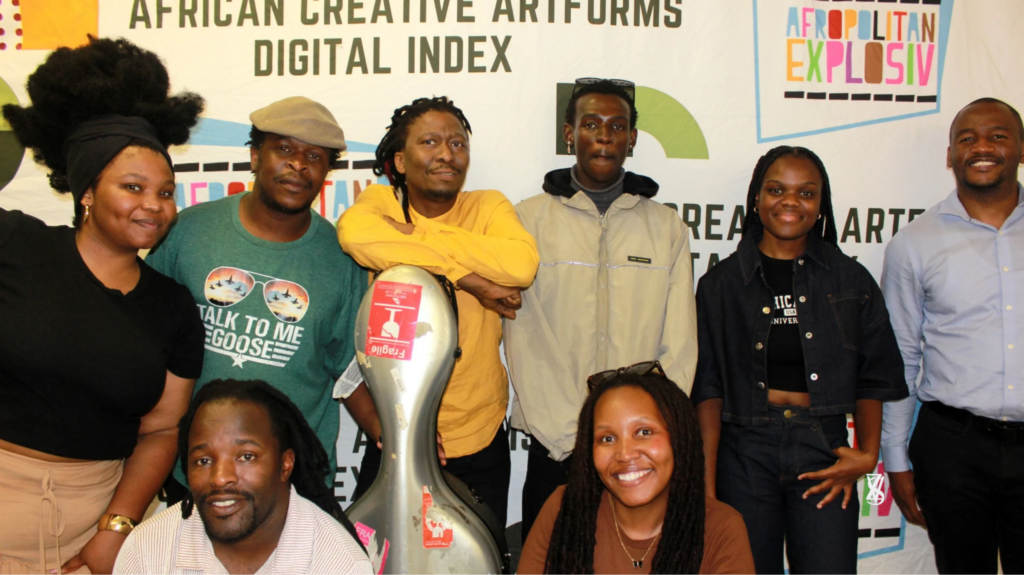
To unwrite these histories of separation, Afropolitan Explosiv in collaboration with the Eswatini Theatre Club launched the Southern African Creative Corridor last week in Mbabane (13 November 2026). Through community-led research, cross-border circuits of performances and exhibitions, the initiative connects under-resourced creative economies directly to international platforms and audiences.
Shifting from Informal ties to Regional Frameworks
Anchored by the UNESCO-Aschberg Programme supporting the Status of the Artist framework, the Corridor attempts to bring the experiences of artists and cultural workers to the forefront of current thinking on cross-border mobility.
Governments have made important progress toward continental mobility, such as through the African Union’s Continental Free Trade Area, AfCFTA, but artists experience mobility in distinctive ways. Creative practice depends on movement: of people, performances, ideas, stories and traditions. Much of this exchange already occurs through personal networks and informal cultural ties, but stronger institutional support could help these connections reach a wider scale and endure over time.
For communities already connected by history, language and cultural memory, barriers to movement can become barriers to cultural exchange itself.
Stakeholder Listening Session in Mbabane
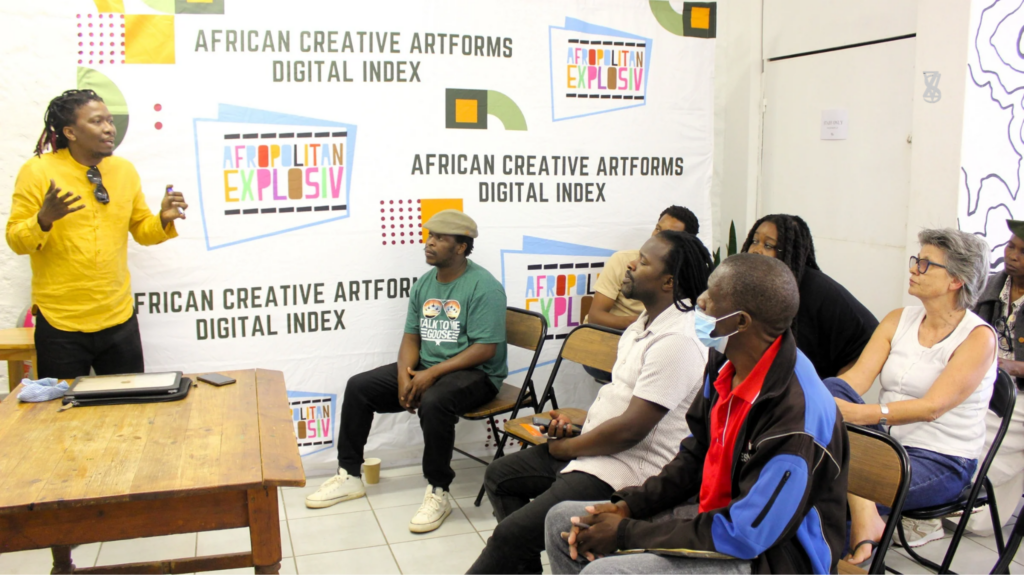
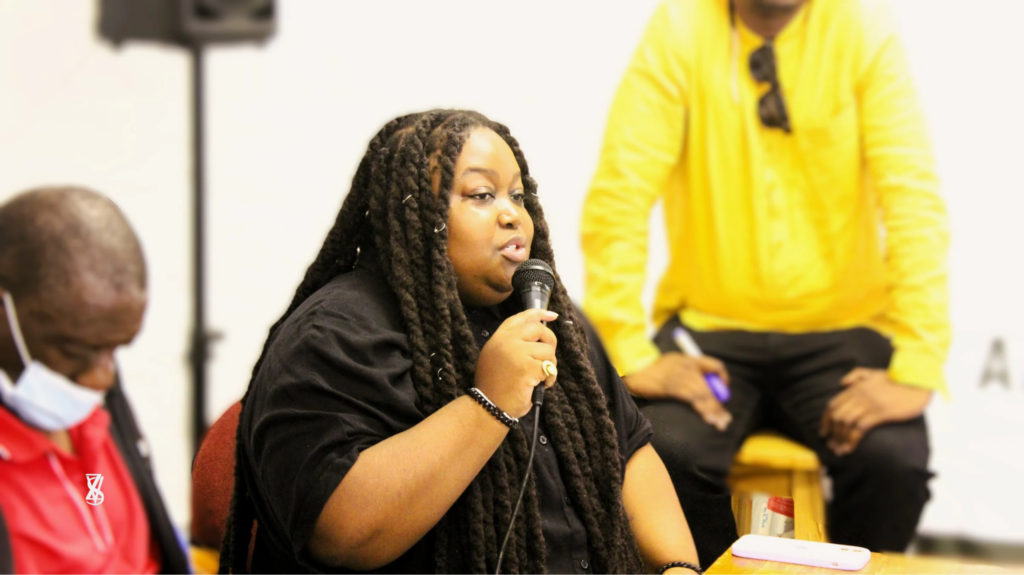
The Corridor kicked off with a Stakeholder Listening Session in Mbabane, facilitated by Dr Thokozani Mhlambi, a chance to hear the voices of those on the ground who are trying to make it work. A similar Listening Session is scheduled to take place in KwaZulu in December 2026.
Bringing together rural artists, crafters, and cultural workers, these sessions confront the daily mechanics of isolation, drawing from the experience of the UNESCO’s Status of the Artist Framework of 1980.
Artists are often spoken about as cultural symbols, but less often as people trying to build sustainable professional lives. UNESCO recognised that challenge internationally in 1980 through its Status of the Artist Recommendation. The Corridor takes that concern seriously by asking: how do artists experience mobility, work, remuneration and collaboration across Southern Africa today?
While UNESCO established an international foundation for this principle in 1980, since the global pandemic in the early 2020s the Status of the Artist framework has been revived. In southern Africa, the issue remains an important area of policy development. The Southern African Creative Corridor seeks to contribute to this process by consulting artists, piloting standardised cross-border contracts, collecting evidence about their working conditions and developing a regional Status of the Artist policy report.
By giving credibility to this Corridor, UNESCO recognizes that artists are not just creators of culture, but important workers contributing to the wellbeing and economic life of society. There is a need for the sector to unite and organize so its voice can be heard. As one participant in Mbabane remarked during our listening session, capturing the spirit of the room:
“Akukho kukhula ngaphandle kokubambisana; asihlanganyeni ukuze izwi lethu lizwakale kude nakude.”(There is no growth without working together; let us unite so that our voice is heard far and wide.)
Creating a Living Corridor and the Work Ahead
Over the next year, the Southern African Creative Corridor will move through several phases of work. Following community consultations in Eswatini and KwaZulu-Natal, the project will document cultural assets and creative practices, support artists through technical and intellectual property workshops, pilot a cross-border cultural circuit linking South Africa and Eswatini, and contribute to regional policy discussions on the Status of the Artist. The findings will culminate in a regional policy report informed by the experiences of artists, crafters and cultural practitioners themselves.
If successful, the Corridor will do more than produce a report or facilitate a series of events. It will demonstrate that artistic mobility is not simply a matter of movement across borders, but of reconnecting cultural relationships that long predate those borders. By strengthening pathways between artists, institutions and communities in Eswatini and KwaZulu-Natal, the project seeks to make visible forms of exchange that have often existed beneath the surface of official policy.
As Ndebele reminds us, the true measure of our transition lies in our shared responsibility to foster self-actualization. Citizens self-actualize when they realize that nation-state borders are not the limit of how far they can go. The Southern African Creative Corridor is one attempt to make those enduring relationships visible once again.§
by S’bahle Ntuli-Ngidi, 2026